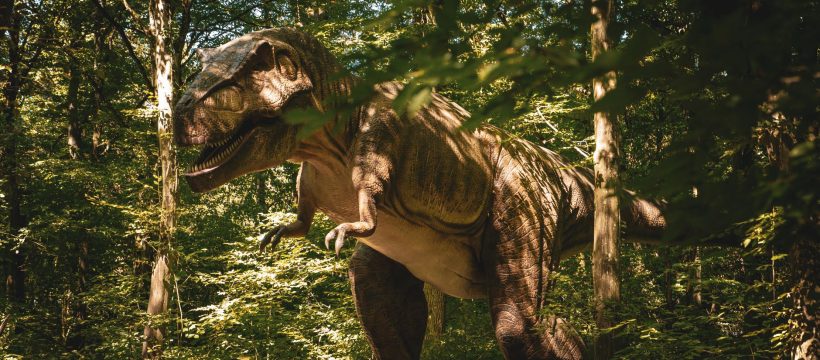
Tyrannosaurus rex body temperature has intrigued scientists for years. Recent studies shed light on how this iconic dinosaur regulated its heat.
Understanding Dinosaur Thermoregulation
Understanding the thermoregulation of dinosaurs, particularly the Tyrannosaurus rex, provides valuable insights into their biology and behavior. Research suggests that the body temperature of Tyrannosaurus rex may have been similar to that of modern birds, indicating a warm-blooded or mesothermic physiology.
Several key factors contribute to our understanding of dinosaur thermoregulation:
- Fossil Evidence: Studies of bone structure and growth patterns indicate metabolic rates that align more closely with those of endothermic animals.
- Comparative Anatomy: The physical traits of Tyrannosaurus rex, including its large size, may have allowed it to retain heat more effectively.
- Environmental Adaptations: Evidence of habitat and climate suggests that these dinosaurs adapted their thermoregulation strategies to survive in varying conditions.
Overall, understanding the body temperature of Tyrannosaurus rex sheds light on its survival strategies and ecological role during the Late Cretaceous period.
The Importance of Body Temperature in Dinosaurs
Body temperature plays a crucial role in the survival and behavior of dinosaurs, including the famous Tyrannosaurus rex. Understanding how these ancient creatures regulated their body temperature provides insight into their physiology and ecological adaptations.
Dinosaurs are often classified based on their thermal regulation into two main categories: ectotherms, which rely on external sources for heat, and endotherms, which generate their own body heat. This classification raises questions about the body temperature of Tyrannosaurus rex and how it may have influenced its hunting strategies and habitat preferences.
Research suggests that body temperature could affect metabolic rates, locomotion, and overall energy expenditure in dinosaurs. For example, a higher body temperature might allow for increased activity levels and faster growth rates. Moreover, understanding the thermal capabilities of species like T. rex helps paleontologists reconstruct ancient climates and ecosystems.
As studies continue, the body temperature of Tyrannosaurus rex remains a fascinating area of exploration, providing a better understanding of these magnificent creatures.
How Scientists Study T. rex Physiology
Scientists employ various innovative methods to study the physiology of the Tyrannosaurus rex, particularly its body temperature. By analyzing fossilized bones, researchers can glean insights into the metabolic rates and thermal regulation of these magnificent creatures.
One of the primary techniques involves examining the isotopic composition of fossilized teeth and bones. This method allows scientists to estimate the body temperature of T. rex by comparing the ratios of specific isotopes, which vary with temperature. Additionally, the study of modern reptiles and birds, which are descendants of dinosaurs, offers valuable analogs for understanding how these ancient creatures may have regulated their body heat.
Another approach includes the use of computer models to simulate the physiological conditions of Tyrannosaurus rex. These models take into account factors such as ambient temperature and metabolic activity, helping researchers predict how these dinosaurs might have maintained their body temperature in different environments.
Through these methods, scientists continue to uncover fascinating insights into the life of T. rex and its ecological adaptations.
New Findings on T. rex Body Temperature
Recent research has shed light on the body temperature of Tyrannosaurus rex, offering new insights into how these colossal creatures regulated their internal heat. Scientists have utilized advanced techniques, including isotopic analysis of fossilized bones, to estimate the thermal profiles of T. rex.
Findings suggest that T. rex may have maintained a body temperature similar to that of modern birds, indicating a form of endothermy, or warm-bloodedness. This challenges the long-held belief that dinosaurs were strictly ectothermic, relying solely on environmental temperatures.
Key discoveries include:
- Stable Body Temperature: Evidence points to a consistent and elevated body temperature, which could have provided advantages in predatory behaviors.
- Environmental Adaptations: The ability to regulate body temperature may have allowed T. rex to thrive in varied climates.
- Implications for Behavior: A warmer body temperature could have influenced metabolic rates, activity levels, and hunting strategies.
These findings significantly enhance our understanding of Tyrannosaurus rex physiology and its ecological role during the Late Cretaceous period.
Implications for Dinosaur Behavior
The body temperature of Tyrannosaurus rex plays a crucial role in understanding its behavior and ecological adaptations. Recent studies suggest that T. rex may have experienced a body temperature range that allowed for heightened metabolic rates, influencing its hunting strategies and social interactions.
Researchers found that a higher body temperature could enhance muscle performance, enabling T. rex to be a more effective predator. This finding indicates that T. rex might have been more active and agile than previously thought, challenging the traditional view of these dinosaurs as slow-moving giants.
Moreover, the implications of T. rex’s body temperature extend to its habitat preferences. A warmer body temperature may have allowed this species to thrive in a variety of environments, from lush forests to open plains, adapting to different ecological niches.
Overall, the insights gained from studying T. rex body temperature provide a clearer picture of its lifestyle, suggesting that these formidable creatures were not only powerful but also highly adaptable to their surroundings.
Future Research Directions in Paleontology
Future research directions in paleontology will significantly enhance our understanding of the Tyrannosaurus rex body temperature and its implications for dinosaur physiology and behavior. As new technologies emerge, scientists are poised to employ advanced imaging techniques and isotopic analyses to uncover more details about the thermal regulation of T. rex.
Key areas of focus may include:
- Comparative Analysis: Studying the body temperature of modern reptiles and birds to draw parallels with T. rex.
- Fossil Evidence: Analyzing well-preserved fossils for signs of thermal adaptations.
- Environmental Factors: Investigating the environmental conditions during the Late Cretaceous and their influence on T. rex.
- Biomechanical Modeling: Utilizing computer simulations to predict body temperature fluctuations under various scenarios.
These research endeavors will not only refine our knowledge of the Tyrannosaurus rex body temperature but also broaden our understanding of dinosaur ecology and evolution.
Recent studies suggest that the Tyrannosaurus rex body temperature may have been higher than previously thought, indicating a more active lifestyle. Understanding the Tyrannosaurus rex body temperature can provide insights into its metabolic rates and ecological adaptations.
Photo by Antonio Mistretta on Pexels