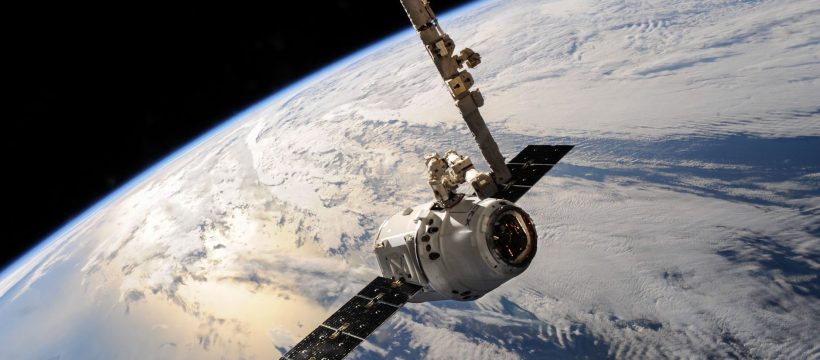
NVS-03 navigation satellite is set to launch in mid-October 2026 following the orbit failure of its predecessor, NVS-02. Sources indicate a launch window between October 15-20.
Overview of NVS-03
The NVS-03 navigation satellite is a crucial component of India’s navigation system, designed to enhance the precision and reliability of positioning services across the country. Following the recent orbit failure of its predecessor, NVS-02, the launch of NVS-03 has encountered significant delays, prompting concerns among experts and stakeholders.
Officials are now targeting a launch window between 15-20 October 2026, relying on the GSLV-Mk2 rocket for deployment. This timeline has been influenced by the need for thorough investigations into the previous satellite’s failure and to ensure that all systems are functioning optimally before the new launch.
Key aspects regarding the NVS-03 include:
- Advanced Technology: NVS-03 is expected to incorporate state-of-the-art navigation technologies.
- Expanded Coverage: The satellite aims to provide enhanced coverage and reliability for users in both urban and rural areas.
- Strategic Importance: The successful deployment of NVS-03 is vital for national security and economic development.
As the launch date approaches, stakeholders remain hopeful that the lessons learned from the NVS-02 incident will lead to a successful mission.
Impact of NVS-02 Failure
The recent failure of the NVS-02 navigation satellite has had significant repercussions for the upcoming launch of the NVS-03 navigation satellite. This unexpected setback has raised concerns regarding the reliability of the navigation satellite series and has forced the Indian Space Research Organisation (ISRO) to reassess its plans.
As the ISRO prepares for the GSLV-Mk2 launch of NVS-03, which is now projected to occur between 15-20 October 2026, the agency is prioritizing a thorough investigation into the NVS-02 failure. This incident has not only delayed the launch schedule but also prompted discussions on the robustness of the satellite systems.
The implications of the NVS-02 failure are multifaceted:
- Technical Review: A comprehensive technical review is underway to identify the root cause of the failure.
- Launch Delays: The NVS-03 navigation satellite’s launch has been postponed, affecting timelines for subsequent missions.
- Public Confidence: There are concerns regarding public trust in the navigation satellite program.
As ISRO navigates these challenges, the successful deployment of the NVS-03 navigation satellite remains critical for future navigation services.
GSLV-Mk2 Launch Vehicle
The GSLV-Mk2 launch vehicle, a critical component for deploying the NVS-03 navigation satellite, is currently undergoing preparations for its upcoming mission. This launch vehicle has been a reliable workhorse for the Indian Space Research Organisation (ISRO) and is expected to play a pivotal role in ensuring the successful placement of NVS-03 into orbit.
Sources indicate that the window for the launch has been tentatively set for mid-October 2026, specifically between the 15th and 20th. This delay comes on the heels of the recent NVS-02 orbit failure, which has raised concerns about the performance of the GSLV-Mk2. Engineers and scientists are working diligently to address any potential issues that may affect the upcoming launch.
With past missions demonstrating the GSLV-Mk2’s capabilities, there is cautious optimism that it will successfully carry the NVS-03 navigation satellite into its designated orbit. The ISRO team remains focused on ensuring that all systems are thoroughly tested and validated before the launch, aiming to restore confidence in the satellite navigation program.
Upcoming Launch Schedule
The upcoming launch schedule for the NVS-03 navigation satellite has been significantly impacted by the recent failure of the NVS-02. As sources indicate, the satellite is now slated for launch aboard the GSLV-Mk2 in mid-October 2026, with the window narrowed down to between the 15th and 20th of the month.
This delay has raised concerns regarding the operational timeline of India’s navigation system, which relies heavily on the successful deployment of the NVS series. The NVS-03 is crucial for enhancing the accuracy and reliability of satellite-based navigation services across the country.
In light of these developments, the following key points outline the current status and expectations for the NVS-03 launch:
- Launch Vehicle: GSLV-Mk2
- Scheduled Launch Window: 15-20 October 2026
- Impact of Delay: Potential disruptions in navigation services
- Future Considerations: Increased scrutiny on pre-launch testing and quality assurance
As the date approaches, stakeholders will be closely monitoring the preparations to ensure a successful deployment of the NVS-03 navigation satellite.
Significance of Navigation Satellites
Navigation satellites play a crucial role in modern technology, enabling a wide range of applications that impact daily life and global operations. The NVS-03 navigation satellite, like its predecessors, is designed to enhance the accuracy and reliability of positioning services across various sectors.
These satellites are integral to:
- Global Navigation: Providing essential services for navigation systems used in transportation, aviation, and maritime operations.
- Emergency Services: Assisting in search and rescue operations by accurately locating individuals in distress.
- Smart Technologies: Enabling the functionality of smart devices and applications, including autonomous vehicles and location-based services.
- Geospatial Applications: Supporting mapping, surveying, and land-use planning through precise location data.
The significance of these satellites extends beyond mere navigation; they contribute to economic growth and enhance safety in various industries. The recent failure of NVS-02 has highlighted the importance of reliable navigation systems, making the successful deployment of the upcoming NVS-03 navigation satellite even more critical. As the launch window approaches, stakeholders remain hopeful for a successful outcome.
Technical Challenges Ahead
The recent failure of the NVS-02 navigation satellite has cast a shadow over the upcoming launch of its successor, the NVS-03 navigation satellite. As engineers assess the situation, several technical challenges are emerging that could impact the satellite’s deployment schedule.
- Orbit Stability: Ensuring that the NVS-03 navigation satellite achieves and maintains a stable orbit will be a paramount concern. The failure of NVS-02 has raised questions about the reliability of the launch vehicle.
- Satellite Design: Engineers must meticulously review the design of the NVS-03 navigation satellite to incorporate lessons learned from the previous failure. This includes enhancements in materials and systems that govern navigation accuracy.
- Testing Protocols: Increased scrutiny on testing protocols is essential. The team must conduct rigorous simulations and evaluations to ensure that the NVS-03 is capable of withstanding the stresses of launch and operation in space.
As the mid-October 2026 launch window approaches, overcoming these technical hurdles will be critical to restoring confidence in India’s navigation satellite program.
Future of Indian Satellites
The future of Indian satellites, particularly in the context of the NVS-03 navigation satellite, is currently in a state of uncertainty following the recent orbit failure of its predecessor, NVS-02. This setback has prompted a reevaluation of timelines and mission strategies for upcoming launches.
As the Indian Space Research Organisation (ISRO) prepares for the GSLV-Mk2 launch in mid-October 2026, there are several factors to consider:
- Launch Window: The anticipated launch is expected to occur between 15-20 October, contingent on the resolution of previous technical issues.
- Technological Advancements: ISRO continues to invest in enhancing satellite capabilities, which are crucial for the reliability of the NVS-03 navigation satellite.
- International Partnerships: Collaborations with global space agencies may provide additional support and resources for future missions.
- Public Confidence: Ensuring the success of the NVS-03 mission is vital for maintaining public trust in India’s space endeavors.
As ISRO navigates these challenges, the focus remains on sustaining momentum in satellite technology and ensuring the successful deployment of critical navigation assets.
Conclusion and Expectations
The recent orbit failure of the NVS-02 navigation satellite has cast a shadow over the timeline for the launch of its successor, the NVS-03 navigation satellite. As experts analyze the implications of this setback, the expectations surrounding the upcoming NVS-03 launch have shifted considerably.
With a revised launch window now set for mid-October 2026, particularly between the 15th and 20th, stakeholders are closely monitoring developments. The Indian Space Research Organisation (ISRO) is working diligently to address the technical challenges highlighted by the NVS-02 failure, emphasizing the importance of rigorous testing and validation processes.
Industry analysts believe that the success of the NVS-03 navigation satellite will be crucial for restoring confidence in India’s navigation satellite program. The satellite’s performance is anticipated to play a pivotal role in bolstering geospatial services across various sectors, including transportation and emergency response.
As the revised launch date approaches, the focus will be on ensuring that all necessary precautions are taken to avoid a repeat of past failures. The successful deployment of NVS-03 could mark a significant turning point for India’s ambitions in space and satellite navigation.
Photo by SpaceX on Pexels