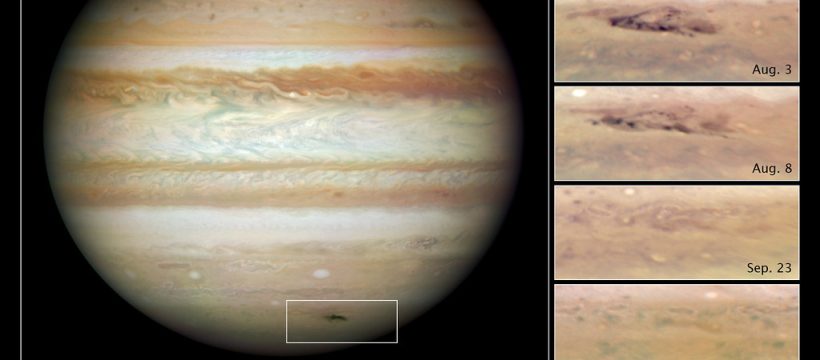
NASA Jupiter spacecraft has successfully changed direction by 20 degrees and gained 3.5 km/s in speed using Earth’s gravitational pull.
How NASA’s Jupiter spacecraft maneuvers
The recent maneuver of NASA’s Jupiter spacecraft demonstrates the intricate techniques used in space exploration. By utilizing a gravitational assist from Earth, the spacecraft was able to change its trajectory and significantly increase its velocity. This maneuver involved a precise alteration of the spacecraft’s path by 20 degrees, which was meticulously calculated to maximize the speed gain.
The spacecraft achieved an impressive boost of 3.5 km/s, a crucial step in its journey toward Jupiter. This method of utilizing a planet’s gravity to gain speed is a common practice in space missions, allowing spacecraft to conserve fuel while enhancing their velocity. It showcases the advanced planning and engineering that goes into space exploration, particularly for missions as ambitious as reaching Jupiter.
As NASA continues its journey to the gas giant, this maneuver highlights the innovative strategies employed by scientists and engineers. The next stages of the mission will involve further adjustments and observations, contributing to our understanding of Jupiter and its many mysteries.
The significance of gravity assists in space travel
Gravity assists, also known as gravity slingshots, are a crucial technique in space exploration, allowing spacecraft like NASA’s Jupiter spacecraft to accelerate and change trajectory without expending additional fuel. This method takes advantage of the gravitational pull of planets, enabling spacecraft to gain speed and alter their paths efficiently.
During its recent flyby of Earth, NASA’s Jupiter spacecraft changed direction by 20 degrees and achieved an impressive speed boost of 3.5 km/s. This maneuver not only conserves resources but also enhances the spacecraft’s ability to reach distant destinations in a timely manner. By utilizing the gravitational forces of celestial bodies, mission planners can optimize flight paths and ensure that spacecraft are on target for their missions.
The significance of gravity assists extends beyond mere speed increases; they also allow for complex interplanetary journeys that would be otherwise unfeasible. As NASA continues to explore the outer solar system, techniques like these remain fundamental in unlocking the secrets of planets such as Jupiter.
NASA Jupiter spacecraft’s speed increase explained
The recent speed increase of NASA’s Jupiter spacecraft can be attributed to a carefully executed maneuver involving Earth’s gravity. By utilizing the planet’s gravitational pull, the spacecraft successfully changed its trajectory by 20 degrees while gaining an impressive 3.5 kilometers per second in speed. This technique, known as a gravity assist, is essential for spacecraft traveling vast distances in our solar system.
During the maneuver, the spacecraft approached Earth, allowing it to harness the planet’s momentum. This method not only boosts speed but also optimizes fuel efficiency, making it a crucial strategy in interplanetary missions. The use of Earth’s gravity has permitted NASA’s Jupiter spacecraft to accelerate without expending additional fuel, showcasing the ingenuity of modern space travel techniques.
Such enhancements in speed are vital as they enable the spacecraft to reach its destination more quickly, paving the way for scientific discoveries on Jupiter and its moons. As the spacecraft continues its journey, further gravity assists may be utilized to ensure it remains on course for its ambitious mission.
What this means for future missions
The recent speed boost achieved by NASA’s Jupiter spacecraft through a gravity assist from Earth represents a significant advancement for future missions in the solar system. This maneuver not only enhances the spacecraft’s velocity but also demonstrates the effectiveness of strategic planning in space travel.
With the ability to gain such substantial speed and alter its trajectory, NASA’s Jupiter spacecraft sets a precedent for upcoming explorations. The success of this mission could inspire new designs and techniques that utilize gravitational assists to reach distant celestial bodies more efficiently.
Moreover, this technique can be pivotal for missions aimed at exploring the outer planets and beyond. By employing similar methods, future spacecraft may minimize fuel consumption and reduce travel time, ultimately leading to more ambitious explorations.
As NASA continues to refine its approach to interplanetary travel, the implications of this recent achievement extend beyond Jupiter, potentially paving the way for groundbreaking discoveries throughout the solar system.
Key milestones in NASA’s exploration of Jupiter
NASA has been at the forefront of exploration in our solar system, particularly with its ambitious missions to Jupiter. Over the years, several key milestones have marked humanity’s journey to understand this giant planet.
- Galileo Mission (1989-2003): This spacecraft provided invaluable information about Jupiter’s atmosphere, moons, and magnetic field, paving the way for future exploration.
- Juno Mission (2011-Present): Launched to study Jupiter’s composition and gravity field, Juno has been instrumental in revealing the planet’s complex atmospheric dynamics.
- NASA Jupiter spacecraft – Recent Achievements: The latest spacecraft has successfully executed a gravity assist maneuver that altered its trajectory by 20 degrees and boosted its speed by 3.5 km/s using Earth’s gravitational pull.
- Future Missions: Plans are underway for continued exploration, including potential landers and orbiters that will delve deeper into Jupiter’s mysteries.
These milestones highlight the progress NASA has made in understanding one of the most fascinating planets in our solar system.
The recent maneuver has allowed the NASA Jupiter spacecraft to gain significant velocity, propelling it closer to its destination. As it continues on its journey, the NASA Jupiter spacecraft will gather valuable data about the gas giant and its moons.
By NASA Goddard Photo and Video via Openverse
Read the original
Related reading
Fitbit Edge tracker: Best proven tech advancement in years · Vivo V80 Price Leak: Worth Knowing Before October Launch · PlayStation 6 Release Date: The Best Update You Need Now