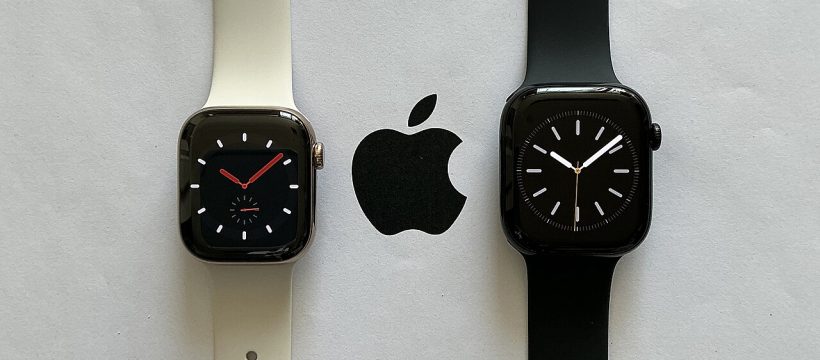
Apple Watch patent infringement has resulted in a significant financial blow for the tech giant, with a ruling mandating an additional payment of $184 million to Masimo.
Overview of the Case
The recent ruling in the case between Apple and Masimo marks a significant moment in the technology industry, particularly concerning the Apple Watch patent infringement claims. The court found that Apple had infringed on several patents owned by Masimo, a company renowned for its innovative health monitoring technology. This decision has resulted in Apple being ordered to pay an additional $184 million in damages, compounding the financial impact already felt by the tech giant.
The case has its roots in a legal battle that began when Masimo accused Apple of unlawfully using its patented technology related to pulse oximetry in the Apple Watch. The technology enables the device to monitor blood oxygen levels, a feature that has become increasingly popular among consumers.
During the trial, Masimo presented compelling evidence that Apple had not only copied its patented technology but had also deliberately attempted to minimize its contributions to the health tech sector. The jury’s decision underscores the importance of intellectual property rights in the fast-evolving tech landscape and serves as a warning to other companies regarding the potential ramifications of patent infringement.
As the case unfolds, it remains to be seen how Apple will respond to this ruling and what implications it may have for future innovations in wearable technology.
Details of the Ruling
In a significant legal setback for Apple, a court ruling determined that the company must pay an additional $184 million to Masimo due to Apple Watch patent infringement. The ruling stems from a case where Masimo accused Apple of infringing on its patented technology related to health monitoring features. This decision underscores the ongoing legal battles in the tech industry, where intellectual property disputes can lead to substantial financial repercussions.
The court found that Apple had willfully infringed on Masimo’s patents, which cover technology used for monitoring vital signs such as blood oxygen levels and heart rate. As a result, the jury awarded Masimo not only compensatory damages but also punitive damages, emphasizing the severity of the infringement. Apple’s argument that the patents were invalid was rejected by the jury, leading to a ruling that could set a precedent for future cases in the wearable technology market.
Experts believe this ruling may impact Apple’s product development strategies moving forward, especially in the health technology sector. As competition intensifies and patent disputes become more frequent, companies are increasingly aware of the importance of securing their intellectual property rights.
Impact on Apple
The recent ruling regarding the Apple Watch patent infringement has significant implications for Apple, both financially and strategically. The company has been ordered to pay an additional $184 million to Masimo, a medical technology firm, in a case that has drawn attention to the ongoing challenges Apple faces in protecting its intellectual property.
This hefty payment highlights the risks associated with patent disputes in the technology sector. Apple, known for its innovative products, must now reassess its legal strategies to mitigate similar challenges in the future. The impact of this ruling could extend beyond monetary losses; it may also tarnish Apple’s reputation as a leader in technology and innovation.
In response to the ruling, industry analysts suggest that Apple may need to strengthen its research and development efforts to avoid further patent infringements. Some possible consequences of this ruling include:
- Increased scrutiny of Apple’s existing patents and technologies.
- Potential delays in product launches as the company navigates legal challenges.
- Greater collaboration with legal experts to ensure compliance with patent laws.
As Apple moves forward, the lessons learned from this patent infringement case will likely play a crucial role in shaping its future business strategies.
Masimo’s Response
In response to the recent ruling on the Apple Watch patent infringement case, Masimo has expressed satisfaction with the court’s decision, which orders Apple to pay an additional $184 million. The firm, known for its innovative health technology, believes this outcome reinforces the importance of protecting intellectual property in the tech industry.
Masimo’s CEO, Joe Kiani, stated that this ruling exemplifies the significance of their patented technology, which has been pivotal in advancing health monitoring solutions. He emphasized that the ruling not only validates their claims but also sends a strong message to other companies about respecting patent rights.
Furthermore, Masimo plans to continue pursuing legal action against Apple for what they see as ongoing infringement. Kiani mentioned that the company’s commitment to innovation should not be undermined by larger entities that can overshadow smaller firms.
In light of the ruling, Masimo is also considering additional steps to protect its intellectual property and ensure that their technologies are not utilized without permission. This case marks a notable moment in the ongoing battle over patent rights in the technology sector, highlighting the challenges faced by companies like Masimo in their pursuit of justice against major corporations like Apple.
Future Implications
The recent ruling regarding the Apple Watch patent infringement has raised significant concerns about the future of innovation and competition in the wearable technology market. As companies like Apple navigate the complexities of intellectual property, the implications of this case may extend beyond monetary penalties.
Firstly, the decision could embolden other firms in the industry to pursue similar legal actions against major tech players. This trend may lead to a surge in patent litigation, stifling creativity and resulting in a more cautious approach to new product development.
Moreover, the financial burden placed on Apple could redirect resources away from research and development, potentially delaying new features and advancements for consumers. As the tech giant grapples with this setback, it might reconsider its strategies regarding partnerships and licensing agreements.
Additionally, the ruling may prompt Apple to enhance its internal patent review processes to mitigate future risks. Such measures could lead to a more rigorous examination of technology used in products, ultimately influencing product design and functionality.
Finally, this case highlights the need for clearer guidelines surrounding patent laws in the rapidly evolving tech landscape, ensuring that innovation is not hindered by legal disputes.
Legal Precedents
The legal landscape surrounding technology patents has become increasingly intricate, particularly in the realm of wearable devices. In recent years, several high-profile cases have set important precedents regarding patent infringement. One notable example includes the ongoing disputes between tech giants over the use of biometric sensing technologies, similar to what is at the heart of the Apple Watch patent infringement case with Masimo.
Courts have often ruled in favor of patent holders when it comes to innovative health monitoring technologies. This trend suggests that companies must be diligent in ensuring their products do not infringe on existing patents. For instance, a previous ruling involving Fitbit underscored the importance of respecting intellectual property rights, resulting in substantial fines for non-compliance.
Additionally, rulings in the tech sector have emphasized the value of protecting proprietary technology as vital to maintaining competitive advantages. As a result, companies are increasingly investing in extensive patent portfolios to safeguard their innovations. The recent ruling against Apple not only carries significant financial implications but also serves as a cautionary tale for other tech firms. It highlights the necessity for thorough patent research and development processes to avoid costly legal battles in the future.
Conclusion
The recent ruling regarding the Apple Watch patent infringement marks a significant moment in the ongoing legal battle between Apple and Masimo. The $184 million penalty not only underscores the seriousness of patent violations but also highlights the potential financial repercussions for tech giants. As the market continues to evolve, the implications of this case are likely to resonate throughout the industry.
Apple’s struggle with patent issues, particularly surrounding the Apple Watch, raises questions about the company’s innovation strategies and their reliance on proprietary technology. The judgment serves as a warning to other companies in the tech space to carefully navigate the complex landscape of intellectual property rights.
Moreover, this case may set a legal precedent that influences future patent infringement disputes. As more companies enter the wearable technology market, the potential for litigation over similar issues may increase.
In conclusion, while Apple has faced numerous challenges before, the financial impact of this ruling emphasizes the importance of respecting patents. As the tech giant evaluates its next steps, the outcome of this case will likely inform its approach to innovation and partnerships in the future, ensuring that such costly missteps are avoided in the competitive landscape of technology.
The recent verdict highlights the ongoing challenges Apple faces regarding Apple Watch patent infringement. As the company navigates this costly ruling, the implications for future product designs remain uncertain amidst the Apple Watch patent infringement claims.
via Wikimedia Commons