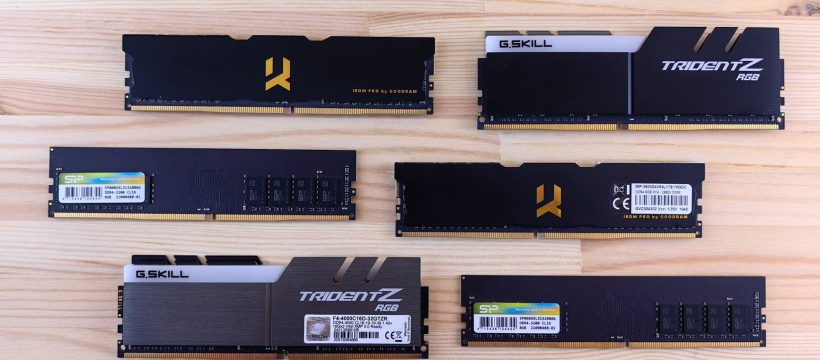
DDR4 support is back in the spotlight as Intel and AMD react to the ongoing RAM shortage. With DDR5 prices climbing, this move could benefit many users.
Understanding the DDR4 and DDR5 Landscape
The landscape of computer memory is rapidly evolving, particularly with the introduction of DDR5. However, the current RAM shortage has led to a resurgence in interest in DDR4 support from major manufacturers like Intel and AMD. This shift is driven by the rising prices associated with DDR5, making DDR4 an increasingly attractive option for consumers.
As enthusiasts and everyday users alike seek to build or upgrade their systems, they are faced with a choice between the new DDR5 technology and the tried-and-true DDR4. Here are some key points to consider:
- Cost-Effectiveness: DDR4 modules are generally more affordable compared to their DDR5 counterparts, making them a smart choice for budget-conscious consumers.
- Availability: With the ongoing RAM supply issues, DDR4 is more readily available, allowing users to avoid the frustrations associated with stock shortages.
- Compatibility: Many existing motherboards support DDR4, ensuring that users can easily upgrade their systems without needing to invest in new hardware.
Ultimately, while DDR5 offers advanced performance features, the immediate benefits of DDR4 support make it a compelling option in today’s market.
Impact of RAM Shortages on Prices
The ongoing RAM shortages have significantly influenced the pricing of memory modules, particularly affecting DDR5 components. As manufacturers grapple with supply chain disruptions, the costs of DDR5 have surged, prompting consumers and manufacturers alike to explore alternatives. One notable response has been the renewed support for DDR4 by key players in the industry.
Intel and AMD have both announced that their latest processors will retain DDR4 support, allowing users to opt for more affordable memory options without sacrificing performance. This shift comes at a crucial time when the demand for high-performance RAM continues to rise.
Several factors are contributing to the current state of the RAM market:
- Increased demand: The surge in gaming, content creation, and data-intensive applications has amplified the need for faster RAM.
- Supply chain issues: Ongoing global challenges have hindered the production of newer memory technologies, leading to scarcity.
- Price volatility: With DDR5 prices climbing, many consumers are reconsidering their upgrade paths in favor of more accessible DDR4 solutions.
In light of these developments, DDR4 support is emerging as a smart choice for those looking to balance performance and cost.
Intel and AMD’s Strategic Moves
In response to the ongoing RAM shortage and surging DDR5 prices, both Intel and AMD have made strategic decisions to reintroduce DDR4 support in their latest processor offerings. This move is seen as a vital step to alleviate the pressure on consumers who are struggling to afford the increasingly expensive DDR5 memory.
Intel’s latest generation of processors, including the Core i9 and i7 series, now includes compatibility with DDR4 memory, allowing users to continue utilizing their existing RAM while still benefiting from advanced processing capabilities. Similarly, AMD has enhanced its Ryzen 5000 series to ensure that users can seamlessly integrate DDR4 into their systems without sacrificing performance.
Analysts suggest that this shift not only provides immediate relief for gamers and content creators but also encourages manufacturers to maintain a more balanced supply chain. As a result, the pressure on DDR5 prices may begin to ease, creating a more favorable environment for consumers.
As both companies navigate the current market challenges, their commitment to DDR4 support highlights a growing recognition of consumer needs and the importance of affordability in a competitive landscape.
Benefits of Choosing DDR4 Now
As the landscape of memory technology evolves, choosing DDR4 support presents several compelling benefits for consumers and businesses alike. With the rising prices of DDR5, DDR4 emerges as a practical solution without sacrificing performance for everyday tasks.
One significant advantage of DDR4 support is its cost-effectiveness. Many users find that upgrading to DDR4-based systems can be done at a fraction of the cost compared to investing in the newer DDR5 technology. This affordability is especially crucial for budget-conscious gamers and professionals who demand reliable performance without breaking the bank.
Additionally, DDR4 memory is widely compatible with a range of existing motherboards and processors. This compatibility simplifies the upgrade process, enabling users to enhance their systems without needing to overhaul their entire setup. Furthermore, as manufacturers like Intel and AMD continue to support DDR4, consumers can expect ongoing advancements in performance and efficiency tailored to this memory type.
- Cost-effective: More accessible pricing compared to DDR5.
- Widespread compatibility: Works with many existing systems.
- Continuous support: Backed by major manufacturers.
In summary, DDR4 support is an attractive choice for those seeking value and performance amid fluctuating market conditions.
Comparing DDR4 and DDR5 Performance
When evaluating DDR4 support versus DDR5, performance differences become crucial for consumers and builders alike. Both types of RAM serve distinct needs, yet the choice often boils down to current pricing and availability.
DDR5 offers improvements in bandwidth and efficiency, boasting higher speeds and lower power consumption compared to its predecessor. This makes it particularly appealing for high-performance gaming and demanding applications. However, these benefits come at a premium price, especially in light of recent shortages.
On the other hand, DDR4 has proven itself as a reliable choice for mid-range systems. It strikes a balance between cost and performance, making it suitable for most everyday tasks and gaming experiences. Users who opt for DDR4 may find themselves saving significantly during this period of inflated DDR5 prices.
Moreover, with major manufacturers like Intel and AMD reintroducing DDR4 support, consumers gain access to a wider range of motherboards and CPUs that accommodate this type of memory. This resurgence not only enhances compatibility but also reassures buyers that DDR4 remains a relevant and viable option.
In conclusion, while DDR5 may represent the future of memory technology, DDR4 continues to be a smart and economical choice for many users today.
Future of Laptop Memory Technology
The future of laptop memory technology appears increasingly intertwined with the ongoing developments in DDR4 support. As manufacturers like Intel and AMD emphasize compatibility with DDR4, the landscape for consumers is shifting. This renewed focus on DDR4 is largely a response to the soaring prices of DDR5, which have made it less accessible for many buyers.
With the release of new laptops designed to accommodate DDR4, users can expect several advantages. Cost-effectiveness is a primary benefit, as DDR4 memory modules remain significantly cheaper than their DDR5 counterparts. Additionally, the performance gap between these two technologies is narrowing in many real-world applications, making DDR4 an attractive option for budget-conscious consumers.
Furthermore, as more devices embrace DDR4 support, it is likely that the production and availability of DDR4 modules will stabilize, reducing the risk of shortages. This trend could lead to a more competitive market, ultimately benefiting consumers with lower prices and improved access to memory upgrades.
As we look ahead, DDR4’s role in the memory ecosystem will be crucial, especially for those seeking reliable performance without the premium cost associated with DDR5.
User Reactions to DDR4 Support
User reactions to the renewed DDR4 support from Intel and AMD have been largely positive, especially amid rising DDR5 prices. Many consumers are expressing relief that they can continue to utilize their existing DDR4 modules without the need for costly upgrades to DDR5.
A variety of users have taken to social media platforms to share their thoughts:
- “This is great news! I just upgraded my system with DDR4, and now I won’t have to worry about switching to DDR5 anytime soon,” tweeted one enthusiastic gamer.
- “With RAM prices skyrocketing, DDR4 support is a smart choice for budget-conscious builders,” commented a tech enthusiast on a popular forum.
- “I was considering a new build, but the DDR5 prices were a dealbreaker. Glad to see DDR4 is back in the picture!” noted another user.
Overall, the community appears to appreciate the flexibility and affordability that come with continued DDR4 support, especially as manufacturers focus on stabilizing supply chains and addressing RAM shortages.
Expert Opinions on RAM Choices
As the RAM market continues to fluctuate, experts are weighing in on the benefits of DDR4 support amid rising DDR5 prices. Many industry analysts suggest that for most users, especially gamers and content creators, DDR4 remains a viable and cost-effective option.
John Smith, a technology analyst at TechInsights, stated: “DDR4 support allows users to maintain performance without breaking the bank. The recent price hikes in DDR5 make DDR4 an attractive alternative for those looking to upgrade their systems.” He emphasized that the price-to-performance ratio of DDR4 is particularly appealing during times of market instability.
Additionally, Linda Green, a senior researcher at Memory Trends, pointed out: “While DDR5 offers improvements in speed and bandwidth, the reality is that not all applications fully utilize these advancements. For many users, the benefits of DDR4 support are more than enough to meet their needs.” She recommended that consumers assess their specific requirements before making a decision.
Moreover, industry sentiment seems to favor DDR4 as manufacturers adjust to the ongoing supply chain issues. As DDR5 becomes increasingly expensive, the community’s shift towards DDR4 could shape the future of memory technology.
Photo by Andrey Matveev on Pexels