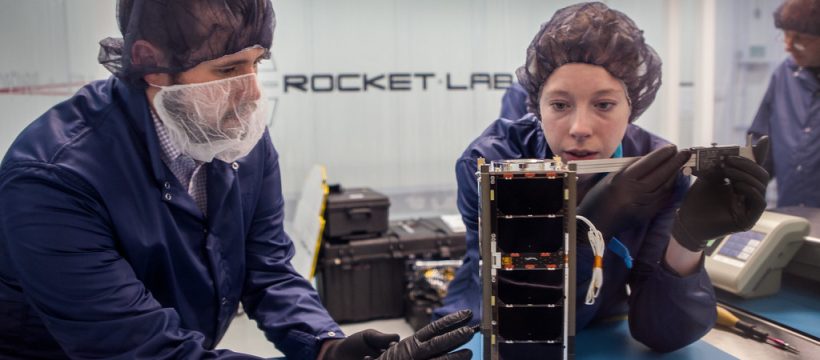
Rocket Lab Electron mission has reached a significant milestone with its 98th launch, highlighting the company’s ongoing commitment to advancing space technology and exploration.
Overview of Rocket Lab’s Achievements
Rocket Lab has established itself as a significant player in the aerospace industry through its consistent success in launching small satellites. The company recently celebrated a remarkable milestone with the launch of its 98th Electron mission, further solidifying its reputation.
Since its inception, Rocket Lab has focused on providing accessible and reliable launch services, particularly for small satellite operators. The Electron rocket, known for its unique design and innovative technology, has been instrumental in achieving numerous successful missions. Key achievements include:
- First Launch: The inaugural Electron flight took place in May 2017, marking the beginning of a journey filled with innovation and reliability.
- Record Launches: With the recent mission, Rocket Lab has launched satellites for a diverse range of clients, including commercial companies and government agencies.
- Responsive Launch Capability: The company has demonstrated its ability to adapt to customer needs, offering flexible launch schedules and tailored solutions.
- Global Impact: Rocket Lab’s achievements have contributed significantly to advancements in satellite technology and space exploration.
As the Rocket Lab Electron mission continues to evolve, the company remains committed to pushing the boundaries of what is possible in space launch services.
What Makes Electron Unique?
The Rocket Lab Electron mission stands out in the competitive landscape of small satellite launches due to several unique features that enhance its reliability and efficiency.
- Innovative Design: The Electron rocket utilizes a unique composite structure that is both lightweight and strong, allowing for a higher payload capacity compared to other rockets in its class.
- Rapid Launch Capabilities: With its streamlined manufacturing process and modular design, Rocket Lab can conduct launches with minimal lead time, making it an attractive option for clients needing quick deployment.
- Dedicated Small Satellite Launches: Unlike many competitors, Electron specializes in launching small payloads, catering specifically to the growing small satellite market.
- Electron’s Reusability: Rocket Lab has begun developing reusable systems, which are aimed at reducing costs and increasing launch frequency, a significant step forward in sustainable space exploration.
- Global Launch Network: The Electron mission benefits from Rocket Lab’s strategically located launch sites, allowing for flexible launch windows and optimal trajectory options.
These elements, combined with Rocket Lab’s proven track record of successful launches, solidify the Electron mission’s reputation as a reliable choice for small satellite deployment.
Recent Launch Details
Rocket Lab has recently achieved a remarkable milestone with its 98th Electron mission, further solidifying its position in the space launch industry. This launch took place on October 1, 2023, from the company’s launch site in New Zealand. The Electron rocket successfully deployed a series of small satellites into orbit, demonstrating the reliability and efficiency that has come to characterize Rocket Lab’s launch capabilities.
The launch was part of a dedicated mission aimed at supporting various commercial payloads, showcasing Rocket Lab’s commitment to providing tailored solutions for its clients. The payloads included:
- Multiple small satellites for Earth observation
- Technology demonstration missions
- Educational payloads from universities
Each successful launch of the Electron rocket enhances Rocket Lab’s track record, which now boasts a high success rate and a reputation for precision. The company continues to innovate, with plans for future missions that will further expand its offerings and capabilities. As the space industry evolves, the Rocket Lab Electron mission remains a best-proven launch option, catering to the growing demand for satellite deployment and space exploration.
Future Plans for Rocket Lab
As Rocket Lab celebrates the success of its 98th Electron mission, the company is setting its sights on ambitious future plans that aim to enhance its position in the space industry.
One of the key initiatives includes the development of the Neutron rocket, which will be designed to carry larger payloads and serve a wider range of missions. This next-generation vehicle is expected to increase Rocket Lab’s competitiveness in the growing satellite launch market.
Additionally, Rocket Lab is exploring partnerships and collaborations with other companies and space agencies to expand its launch capabilities. The company aims to utilize its Electron rocket for more frequent missions, thereby solidifying its reputation as a reliable launch provider.
Furthermore, Rocket Lab is focused on improving its ground operations and manufacturing processes, which will help in reducing costs and increasing launch cadence. The company plans to integrate advanced technologies to streamline operations and enhance overall efficiency.
- Increase in Launch Frequency: Targeting more than 15 launches per year.
- International Expansion: Exploring new markets in Europe and Asia.
- Innovations in Payload Delivery: Enhancements to meet diverse customer needs.
With these plans in place, Rocket Lab is poised for a transformative future in the aerospace sector.
Impact on Small Satellite Market
The success of the Rocket Lab Electron mission has significantly influenced the small satellite market, demonstrating a reliable and cost-effective launch option for numerous companies and organizations. With its innovative approach, Rocket Lab has established itself as a leader in the small satellite launch industry.
Key impacts on the market include:
- Accessibility: The affordability of the Electron rocket allows a broader range of customers, including startups and research institutions, to access space.
- Increased Launch Frequency: With regular launches, Rocket Lab supports a growing demand for satellite deployments, enabling companies to implement rapid iteration and development cycles.
- Diverse Payload Accommodations: The Electron rocket is designed to carry a variety of payloads, from small CubeSats to larger satellite systems, expanding the scope of missions.
- Partnerships: The success of the Electron mission has led to numerous collaborations with other organizations, fostering innovation in satellite technology.
As Rocket Lab continues to enhance its launch capabilities, the implications for the small satellite market remain profound, pushing the boundaries of what is possible in space exploration and satellite communications.
Challenges Faced by Rocket Lab
Despite its impressive track record, the Rocket Lab Electron mission has faced several challenges throughout its operational history. These hurdles have tested the resilience and adaptability of the company as it strives to maintain its position in the competitive space launch market.
One of the primary challenges encountered has been the increasing complexity of payload requirements. As satellite technology evolves, customers demand more sophisticated capabilities, which often require tailored launch solutions. This has pushed Rocket Lab to innovate continuously and enhance the Electron rocket’s versatility.
Another significant challenge has been the global supply chain disruptions that have affected many industries, including aerospace. These disruptions have led to delays in acquiring essential components, impacting launch timelines and operational efficiency.
Moreover, as the number of competitors in the small satellite launch market grows, Rocket Lab must differentiate its services while maintaining cost-effectiveness. This competitive landscape necessitates strategic partnerships and an agile approach to mission planning.
- Complex payload requirements
- Global supply chain disruptions
- Intense competition in the market
Overcoming these challenges is crucial for Rocket Lab to sustain its momentum and continue its legacy of launch success.
Comparing Electron to Other Rockets
The Rocket Lab Electron mission has established itself as a reliable option in the growing satellite launch market. When comparing Electron to other rockets, several key factors highlight its advantages.
- Cost Efficiency: The Electron rocket is designed to provide affordable access to space, catering specifically to small satellite operators. This competitive pricing has made it an attractive choice for many customers.
- Launch Frequency: Rocket Lab has maintained an impressive launch cadence, often conducting missions monthly. This frequency surpasses many traditional launch providers, enabling clients to deploy satellites quickly and efficiently.
- Payload Capacity: While Electron is smaller than heavy-lift rockets, its payload capacity of up to 300 kilograms to low Earth orbit makes it suitable for a wide range of small satellite missions.
- Dedicated Launch Services: Unlike larger rockets that often carry multiple payloads, Electron focuses on dedicated launches, allowing customers to have their satellites launched without delay or interference from other missions.
In conclusion, the Rocket Lab Electron mission stands out in a crowded market, proving its worth through cost-effectiveness, reliability, and a focus on the specific needs of small satellite operators.
Conclusion and Future Outlook
As Rocket Lab continues to solidify its position in the aerospace industry, the recent success of the Rocket Lab Electron mission marks a significant milestone in the company’s journey. With 98 successful launches under its belt, Rocket Lab has demonstrated its reliability and innovation in the small satellite launch market.
Looking ahead, Rocket Lab is poised to expand its capabilities further. The company plans to enhance its Electron rockets with new technologies that will improve payload capacity and reduce launch costs. Additionally, the introduction of the Neutron rocket is expected to broaden their client base by catering to larger payloads and more complex missions.
The future outlook for Rocket Lab is promising, as it positions itself not just as a launch provider, but as a key player in space exploration and satellite deployment. Challenges such as increasing competition and the need for continuous technological advancement remain, but Rocket Lab’s proven track record with the Electron mission provides a strong foundation for future endeavors.
In conclusion, Rocket Lab’s commitment to innovation and excellence will likely continue to drive its success in the aerospace industry, ensuring its pivotal role in shaping the future of space exploration.
The recent achievements of the Rocket Lab Electron mission have solidified its reputation as a reliable option for small satellite launches. With each successful flight, the Rocket Lab Electron mission continues to demonstrate its capabilities in the competitive space launch market.
By NASAKennedy via Openverse
References
Related reading
Canva image generation model: Best New Tool for Creatives · Dell Aero smartphone: Best lightweight Android option available · NASA Satellite Communications: Proven Benefits of Viasat’s Launch