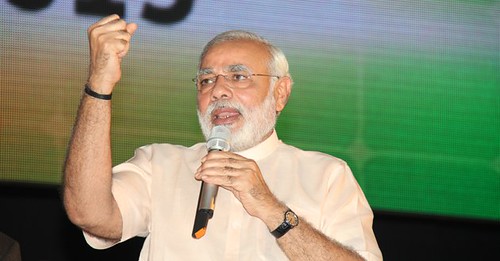
Nepal PM India visit is set to reshape diplomatic and economic ties between the two nations. This trip comes at a crucial time for regional cooperation.
Overview of Nepal PM’s India Visit
Nepal Prime Minister Pushpa Kamal Dahal, commonly known as Prachanda, embarked on a significant visit to India aimed at strengthening bilateral ties and enhancing economic cooperation. This Nepal PM India visit marks a crucial step in addressing various issues between the two neighboring countries.
The discussions during the visit primarily focused on:
- Trade Agreements: Reviewing existing trade pacts and exploring new avenues for economic collaboration.
- Infrastructure Development: Potential investments from India in Nepal’s infrastructure projects to foster growth.
- Energy Cooperation: Initiatives to enhance cross-border energy trade and hydropower development.
With both nations aiming to bolster their economic landscapes, the outcomes of this visit are expected to have lasting implications for regional stability and prosperity.
Key Objectives of the Trip
The recent visit of Nepal PM to India has been marked by several key objectives aimed at strengthening bilateral relations. The primary goals of this trip include:
- Economic Collaboration: To enhance trade agreements and attract investment opportunities between the two nations.
- Infrastructure Development: To discuss joint projects that focus on improving connectivity and infrastructure in Nepal.
- Energy Cooperation: To explore partnerships in the energy sector, particularly in hydropower, which is crucial for Nepal’s growth.
- Cultural Exchange: To promote cultural ties that foster goodwill and mutual understanding between the peoples of both countries.
This visit is seen as pivotal in shaping the economic impact of Nepal PM’s India visit, addressing both immediate needs and long-term strategic goals.
Economic Implications for Nepal and India
The recent Nepal PM India visit has sparked discussions regarding its economic implications for both nations. As Nepal seeks to strengthen its economic ties with India, several key areas have come into focus:
- Trade Relations: Enhanced trade agreements could lead to increased exports from Nepal, especially in sectors like agriculture and textiles.
- Investment Opportunities: Indian investments in infrastructure projects in Nepal may stimulate job creation and economic growth.
- Energy Cooperation: Collaboration on hydropower projects could provide Nepal with vital energy resources while India benefits from increased electricity supply.
- Tourism Boost: Improved connectivity and promotional efforts may attract more Indian tourists to Nepal, benefiting the local economy.
Overall, the outcomes of the Nepal PM’s visit could significantly influence the economic landscape of both countries moving forward.
Reactions from Political Analysts
Political analysts have shared varying perspectives on the Nepal PM India visit, emphasizing its potential long-term effects on bilateral relations and economic growth. According to some experts, the visit could pave the way for enhanced cooperation in trade and infrastructure development.
Many believe that stronger ties between the two nations may lead to increased investment opportunities for Nepal, particularly in sectors such as tourism and energy. However, concerns remain regarding Nepal’s dependency on India, which could pose challenges for its sovereignty.
- Dr. Ramesh Thapa, a political scientist, stated that the visit signifies a positive shift in diplomatic relations.
- Ms. Anita Joshi, an economist, warned that Nepal must diversify its partnerships.
- Mr. Samir Pandey highlighted the importance of sustainable development in future agreements.
Future Prospects for Bilateral Relations
The recent Nepal PM India visit has opened new avenues for cooperation between the two nations, with a focus on enhancing trade and investment. As both countries navigate a complex geopolitical landscape, the future prospects for bilateral relations appear promising.
Key areas for collaboration include:
- Infrastructure Development: Joint projects may lead to significant improvements in connectivity.
- Energy Collaboration: Potential agreements on hydropower could benefit both economies.
- Cultural Exchange: Enhanced people-to-people ties may foster goodwill and mutual understanding.
Additionally, both nations are likely to explore innovative economic strategies, leveraging their shared resources. If successful, the outcomes of the Nepal PM’s India visit could redefine the economic landscape, setting a positive trajectory for future engagements.
Conclusion and Summary
In conclusion, the recent Nepal PM India visit has underscored the significance of bilateral relations between the two nations. The trip not only aimed at strengthening economic ties but also highlighted the potential for mutual growth through collaboration.
Political analysts have noted that the outcomes of this visit could pave the way for enhanced trade agreements and investment opportunities, which are crucial for Nepal’s economic development.
Furthermore, the commitment to address key issues such as infrastructure development and energy cooperation indicates a forward-looking approach from both governments.
As the two countries move ahead, it will be essential to monitor the implementation of the discussed initiatives and the impact they have on the regional economy. Overall, the visit marks a pivotal moment in Nepal’s efforts to solidify its economic position within South Asia.
The Nepal PM India visit has opened new avenues for economic collaboration between the two nations. Observers are keen to assess the long-term benefits stemming from the Nepal PM India visit.
By theglobalpanorama via Openverse