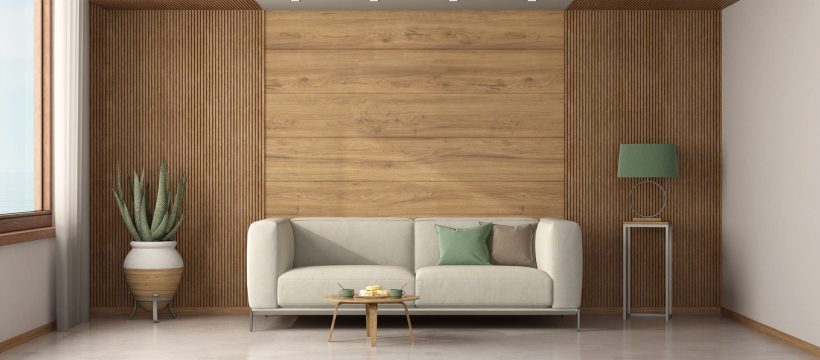
Creating visually appealing interiors often comes down to the details, and wall treatments play a significant role in defining the style and atmosphere of a space. One of the most effective ways to enhance walls is through panelling wall. Wall panelling not only adds texture and dimension but also elevates the overall aesthetic of any room. With a wide variety of materials, designs, and installation options, panelling has become a popular choice for homeowners and designers seeking to combine functionality with style.
Why Wall Panelling Matters
Wall panelling goes beyond mere decoration. It introduces depth and texture to otherwise flat surfaces, creating visual interest and sophistication. Panelling can transform a plain room into a statement space, providing architectural detail that enhances the overall design. In addition to its aesthetic benefits, panelling can protect walls from scratches and wear, cover imperfections, and improve insulation and soundproofing in certain cases. Its versatility makes it suitable for living rooms, bedrooms, hallways, dining areas, and even commercial spaces.
Types of Wall Panelling
Modern wall panelling comes in a variety of materials and styles to suit different design preferences. Wooden panels offer warmth and a classic touch, available in finishes from natural oak to rich walnut. MDF and laminate panels provide budget-friendly alternatives while allowing for painted or printed finishes. PVC panels are durable and waterproof, making them ideal for kitchens and bathrooms. For a contemporary look, 3D panels or geometric designs create striking textures and patterns that add depth and interest. Fabric and leather panels can also be used for luxury interiors, offering both visual and tactile appeal.
Design Ideas for Adding Style
Panelling offers endless possibilities for incorporating style into any room. Vertical panels can make ceilings appear taller, while horizontal designs can create a sense of width in smaller spaces. Accent walls featuring bold colors, textures, or patterns can become the focal point of a room. Combining different types of panels, such as pairing 3D designs with smooth finishes, adds contrast and visual intrigue. In addition, panelling can be integrated with other elements like lighting, mirrors, or artwork to enhance its impact and create a cohesive interior design.
Texture and Dimension
One of the key advantages of wall panelling is its ability to add texture and dimension. Unlike flat painted walls, panelling introduces layers that create depth and interest. Textured panels, carved designs, and layered installations can break the monotony of large walls and draw attention to specific areas of a room. The interplay of light and shadow on textured surfaces further enhances the visual appeal, giving interiors a more dynamic and refined look.
Practical Benefits of Panelling
Beyond its decorative value, panelling offers practical advantages. It protects walls from everyday wear and tear, reducing the need for frequent maintenance and repainting. Panels can cover uneven surfaces, cracks, or imperfections, creating a smooth and polished finish. Some materials, such as insulated or soundproof panels, provide added functionality, improving energy efficiency and acoustic comfort. Additionally, many panels are easy to clean and maintain, making them suitable for high-traffic areas.
Customization and Versatility
Wall panelling is highly customizable, allowing homeowners to tailor designs to their specific tastes and needs. Panels can be painted, stained, or printed in a variety of colors and finishes. They can be installed across entire walls or used selectively to create focal points, such as behind a bed, sofa, or television. The flexibility of panelling allows it to complement both traditional and contemporary interiors, making it a versatile solution for any room in the home.
Conclusion
Panelling wall ideas provide an effective way to add style, texture, and dimension to any room. With a wide range of materials, designs, and installation options, wall panelling enhances both the aesthetic and functional aspects of interiors. Whether used as an accent feature, a protective surface, or a full-wall treatment, panelling transforms plain walls into visually engaging elements.
For homeowners and designers looking to elevate interiors, wall panelling offers a versatile, stylish, and practical solution that adds character, depth, and sophistication to every space.