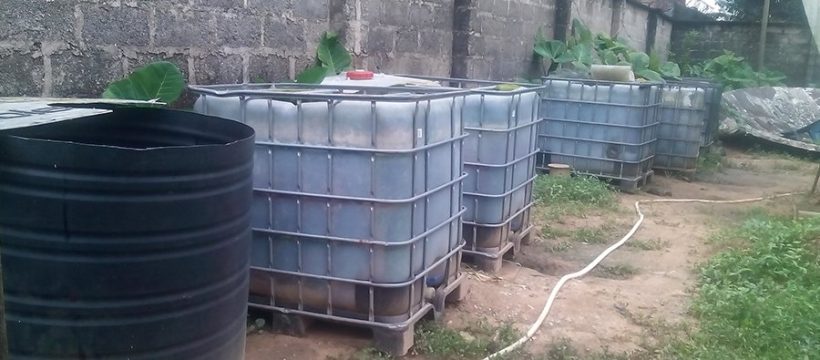
Fish farming in Nigeria offers lucrative opportunities for entrepreneurs seeking sustainable ventures. With abundant water resources and a growing demand for fish, this sector presents a viable solution to food security challenges. By harnessing the country’s natural resources in aquaculture, fish farming in Nigeria has the potential to boost the economy and provide job opportunities for local communities. Stay tuned to discover the key insights and strategies for success in Nigeria’s thriving fish farming industry.

Fish Farming in Nigeria: A Booming Industry
Welcome to our comprehensive guide on fish farming in Nigeria! In recent years, fish farming has emerged as a vital sector in Nigeria’s agricultural landscape. With its vast water resources and growing demand for fish, Nigeria presents a wealth of opportunities for individuals looking to venture into aquaculture. In this article, we will delve into the various aspects of fish farming in Nigeria, from the benefits and challenges to the different types of aquaculture systems used in the country.
The Importance of Fish Farming
Fish farming, also known as aquaculture, plays a crucial role in meeting the protein needs of Nigeria’s population. With a rapidly expanding population and increasing demand for fish as a source of nutrition, traditional fishing methods alone are unable to keep pace with the country’s needs. As a result, fish farming has become a sustainable solution to supplement wild fish stocks and ensure food security for the nation.
Benefits of Fish Farming in Nigeria
There are numerous benefits associated with fish farming in Nigeria. One of the primary advantages is the ability to boost domestic fish production, thereby reducing the country’s reliance on imported fish. This leads to improved food security, as locally produced fish can be more readily available and affordable for consumers. Additionally, fish farming creates employment opportunities in rural areas, stimulates economic growth, and contributes to poverty alleviation.
Challenges Faced by Fish Farmers
Despite its many benefits, fish farming in Nigeria also comes with its fair share of challenges. Some of the key obstacles include inadequate infrastructure, limited access to quality fish feeds, disease outbreaks, and erratic market prices. Fish farmers often struggle with issues such as poor water quality, lack of technical knowledge, and insufficient financial resources. Addressing these challenges is crucial to the sustainable growth of the aquaculture industry in Nigeria.
Types of Fish Farming Systems
There are several types of fish farming systems used in Nigeria, each with its unique characteristics and requirements. The choice of system depends on factors such as available resources, water availability, and market demand. Let’s explore some of the common fish farming systems in Nigeria:
Pond Aquaculture
Pond aquaculture is one of the most popular methods of fish farming in Nigeria. It involves the construction of artificial ponds or reservoirs where fish are raised under controlled conditions. Tilapia and catfish are the most commonly farmed species in pond aquaculture due to their adaptability to varying environmental conditions. Pond aquaculture allows for efficient management of fish stocks, feeding practices, and disease control.
Cage Aquaculture
Cage aquaculture involves the use of floating cages or pens placed in natural water bodies such as rivers, lakes, or reservoirs. This system is ideal for farming species that require large water volumes or specific water conditions. Cage aquaculture offers the advantage of utilizing existing water bodies, reducing land usage, and facilitating water exchange to maintain fish health. Tilapia, catfish, and carp are commonly raised in cage aquaculture setups.
Recirculating Aquaculture Systems (RAS)
Recirculating aquaculture systems (RAS) are a more intensive form of fish farming that recycles and treats water within a closed-loop system. RAS setups are designed to maximize water efficiency, minimize waste discharge, and create optimal conditions for fish growth. While RAS requires higher initial investments and technical expertise, it offers precise control over environmental factors, leading to higher production rates and improved biosecurity.
Steps to Start a Fish Farm in Nigeria
If you’re considering starting your own fish farm in Nigeria, here are the essential steps to get you started on the right path:
1. Conduct Research and Planning
Begin by researching the local fish market, identifying suitable farm locations, and determining the target fish species. Develop a detailed business plan that outlines your production goals, budget, and marketing strategies.
2. Obtain Necessary Permits and Licenses
Ensure that you comply with the regulatory requirements for fish farming in Nigeria. Obtain the required permits, licenses, and certifications from relevant authorities to operate your fish farm legally.
3. Set Up the Farm Infrastructure
Construct fish ponds, cages, or RAS units based on your chosen farming system. Install necessary equipment for water supply, aeration, and filtration to create an optimal environment for fish growth.
4. Stocking and Feeding
Purchase high-quality fingerlings or juvenile fish from reputable hatcheries. Implement a feeding regimen using nutritious fish feeds to promote healthy growth and maximize production efficiency.
5. Disease Management and Biosecurity
Implement biosecurity measures to prevent the introduction and spread of diseases within your fish farm. Regularly monitor water quality, conduct health checks on fish, and seek veterinary support if needed.
6. Harvesting and Marketing
Plan for regular harvest cycles based on the growth rate of your fish species. Explore marketing avenues such as local markets, restaurants, or direct sales to consumers to sell your fresh fish products.
The Future of Fish Farming in Nigeria
As Nigeria continues to prioritize agricultural development and food security, the future of fish farming in the country looks promising. With advancements in technology, improved access to funding and training, and a growing demand for locally produced fish, the aquaculture industry is poised for significant growth in the years to come. By addressing key challenges and embracing sustainable practices, fish farmers in Nigeria can contribute to the nation’s economic prosperity and food self-sufficiency.
Thank you for exploring the world of fish farming in Nigeria with us. Whether you’re a budding fish farmer or simply curious about the industry, the opportunities and potential for growth in Nigerian aquaculture are boundless. Dive in, learn more, and be part of the flourishing fish farming community in Nigeria!
How He Started a Profitable Backyard Fish Farming Business in Nigeria!!!
Frequently Asked Questions
What are the major challenges of fish farming in Nigeria?
Major challenges of fish farming in Nigeria include inadequate access to quality feeds, poor infrastructure for transportation of fish, lack of proper extension services for farmers, and issues with water quality and management.
How can one start a successful fish farming business in Nigeria?
To start a successful fish farming business in Nigeria, one should conduct proper market research, choose the right fish species, secure a suitable location with access to good water quality, acquire necessary equipment, and seek training and guidance from experts or agricultural extension services.
What are the potential benefits of fish farming in Nigeria?
The potential benefits of fish farming in Nigeria include providing a sustainable source of protein, creating employment opportunities, reducing pressure on wild fish stocks, contributing to economic development, and improving food security in the country.
Final Thoughts
In conclusion, fish farming in Nigeria offers a promising opportunity for economic growth and food security. By leveraging the abundant natural resources and adopting modern farming techniques, local farmers can significantly contribute to meeting the growing demand for fish in the country. With proper support from the government and access to financing, the fish farming industry in Nigeria has the potential to thrive and improve the livelihoods of many communities. Embracing sustainable practices will be essential for the long-term success of fish farming in Nigeria.