
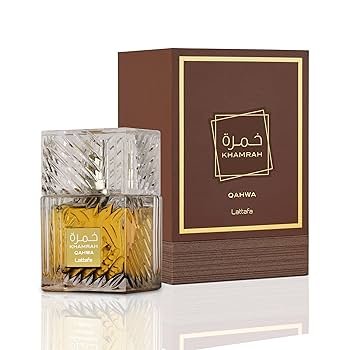
Looking for a unique and flavorful drink that will captivate your taste buds? Look no further than khamrah qahwa. This traditional Middle Eastern beverage is a delightful blend of strong coffee and aromatic spices, creating a rich and invigorating experience with every sip. Whether you’re seeking a morning pick-me-up or a soothing evening treat, khamrah qahwa is sure to awaken your senses and leave you craving more. Join me on a journey to discover the irresistible charm of this exotic drink.

Khamrah Qahwa: Exploring the Delightful World of Arabic Coffee
Welcome, coffee lovers, to a journey through the fascinating realm of khamrah qahwa, also known as Arabic coffee. From its rich history to its traditional preparation, this aromatic brew holds a special place in Arab culture and beyond. Join me as we delve into the origins, rituals, and flavors of this beloved beverage.
The Origins of Khamrah Qahwa
Arabic coffee, or qahwa, has a long and storied history that dates back centuries. Legend has it that coffee was first discovered by an Ethiopian goatherd named Kaldi, who noticed his goats becoming energetic after eating a certain berry. The knowledge of these magical beans eventually made its way to the Arabian Peninsula, where it took on cultural significance beyond just a drink.
Arabic coffee differs from the more well-known western-style coffee in its preparation, flavor, and presentation. Traditionally, qahwa is made from lightly roasted Arabica beans, ground to a fine powder. The beans are then brewed in a special pot called a dallah, typically infused with spices like cardamom or saffron to enhance the flavor.
The Art of Coffee Rituals
One of the most enchanting aspects of Arabic coffee is the elaborate rituals that surround its serving. In Arab culture, offering coffee to guests is a sign of hospitality and respect. From the moment the dallah is placed on the stove, to the gentle pouring of the coffee into small finjan cups, every step is steeped in tradition.
When serving Arabic coffee, it is customary to hold the cup with your right hand and use your left hand to support your right elbow, a gesture of politeness and grace. The number of cups offered also holds significance: three cups are usually presented to guests, with each cup symbolizing a different meaning, such as life, wealth, and love.
Flavors and Varieties of Khamrah Qahwa
Arabic coffee is not just a drink; it is an experience that engages all the senses. The aroma of freshly brewed qahwa, the warm and earthy flavors, and the lingering aftertaste all contribute to its allure. While traditional Arabic coffee is made with cardamom, other variations include cloves, cinnamon, or even rose water for a unique twist.
Each region in the Arab world has its own take on khamrah qahwa, with subtle differences in flavor and preparation methods. In the Gulf countries, coffee is typically dark and bitter, while in North Africa, it may be sweeter and lighter. Exploring these regional variations can be a delightful journey for coffee enthusiasts.
Celebrating with Khamrah Qahwa
Arabic coffee is not just reserved for special occasions; it is an integral part of cultural celebrations and ceremonies. From weddings to religious holidays, qahwa plays a central role in bringing people together and fostering connections. The act of sharing coffee is a symbol of unity and goodwill.
During gatherings, the host often prepares the coffee with great care, ensuring that each guest is served a steaming cup of freshly brewed qahwa. The conversations that flow over these cups of coffee are filled with warmth and camaraderie, creating lasting memories for all who partake.
Embracing the Magic of Khamrah Qahwa
As you sip on a cup of aromatic Arabic coffee, take a moment to appreciate the centuries-old traditions and rituals that have shaped this beloved beverage. From its humble origins to its modern-day popularity, khamrah qahwa continues to captivate coffee lovers around the world.
Whether you prefer your coffee strong and bold or light and fragrant, there is a version of Arabic coffee to suit every taste. So, next time you find yourself craving a unique coffee experience, consider brewing a pot of khamrah qahwa and immersing yourself in the rich flavors and customs of this timeless drink.
Join me in raising a finjan cup to the enchanting world of khamrah qahwa – where every sip tells a story and every drop is infused with tradition and love.
Which Lattafa Khamrah is the BEST!? Original vs Qahwa vs Dukhan
Frequently Asked Questions
What is khamrah qahwa made of?
Khamrah qahwa is a traditional Arabic coffee made from finely ground Arabica coffee beans and flavored with cardamom. It is brewed by boiling water with the coffee grounds and cardamom pods.
How is khamrah qahwa traditionally served?
Khamrah qahwa is traditionally served in small cups called finjans, which are often embellished with intricate designs and patterns. It is a symbol of hospitality in Arab culture and is typically served to guests to signify warmth and welcome.
What is the significance of khamrah qahwa in Arab culture?
Khamrah qahwa holds great cultural significance in Arab societies, where it is a symbol of friendship, social bonding, and hospitality. The preparation and serving of khamrah qahwa are considered rituals that bring people together and promote a sense of community.
Final Thoughts
Khamrah qahwa, known for its aromatic flavors and cultural significance, captivates both locals and tourists alike. Its rich history and intricate preparation process make it a cherished tradition. The blend of cardamom, saffron, and other spices creates a unique taste that is truly unforgettable. Whether enjoyed in a bustling café or a serene setting, khamrah qahwa brings people together in a shared appreciation for its warm and inviting essence. Its presence in daily life underscores the importance of slowing down and savoring each moment.