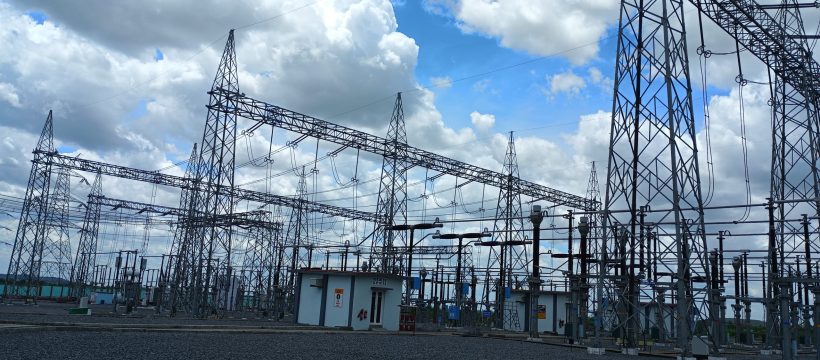
AI power grid advancements are crucial for managing energy resources effectively. OpenAI’s new Grid Protectors aim to alleviate the strain AI places on power systems, enhancing overall performance.
Understanding AI Power Grid Challenges
The integration of AI power grid solutions presents several challenges that need addressing to ensure reliable energy distribution. As AI technologies become more prevalent, the demand for energy increases, potentially straining existing power grids. This situation can lead to:
- Increased Energy Consumption: AI systems require significant computational power, which can elevate energy usage.
- Grid Stability Issues: The unpredictable nature of AI-driven energy management can disrupt the balance between supply and demand.
- Infrastructure Limitations: Many power grids are not equipped to handle the additional load from AI applications.
Addressing these challenges is essential for harnessing the full potential of AI power grid technologies. Stakeholders must collaborate to develop innovative solutions that enhance grid resilience while optimizing energy efficiency.
The Role of OpenAI’s Grid Protectors
OpenAI’s recent initiative, Grid Protectors, aims to alleviate the challenges posed by AI power grid demands. These innovative solutions are designed to enhance the efficiency and reliability of energy distribution systems, ensuring that the increasing energy consumption from AI technologies does not compromise grid stability.
The Grid Protectors utilize advanced algorithms to monitor and manage power usage dynamically. This proactive approach allows for:
- Real-time analysis: Continuously assessing energy flow and identifying potential bottlenecks.
- Predictive maintenance: Anticipating equipment failures before they happen.
- Load balancing: Distributing energy resources evenly to prevent overloads.
With these systems in place, the AI power grid can operate more smoothly, making it easier to integrate renewable energy sources and support the growing demands of AI technologies.
Benefits of AI in Energy Management
The integration of AI power grid solutions offers numerous benefits for energy management, transforming how electricity is produced, distributed, and consumed. By leveraging advanced algorithms, utilities can optimize energy distribution, leading to significant cost savings.
Key advantages include:
- Enhanced Efficiency: AI systems analyze real-time data to identify inefficiencies in power usage, allowing for better load management.
- Predictive Maintenance: Utilizing AI can help predict equipment failures before they occur, reducing downtime and repair costs.
- Renewable Energy Integration: AI facilitates the seamless incorporation of renewable energy sources, stabilizing the grid and ensuring reliability.
- Demand Response: AI can forecast demand surges, enabling utilities to adjust supply accordingly and prevent outages.
Overall, AI power grid solutions not only enhance reliability but also promote sustainability in energy consumption.
Future of Power Grids with AI
The integration of AI power grid solutions is set to revolutionize the future of energy management. As the demand for electricity continues to rise, traditional power grids face significant challenges, including inefficiency and vulnerability to outages. With advanced AI technologies, power grids can become more resilient and intelligent.
Key advancements in AI power grid solutions include:
- Predictive Maintenance: AI can analyze data from grid components to predict failures before they occur, reducing downtime.
- Load Balancing: Machine learning algorithms can optimize energy distribution, ensuring that supply meets demand more effectively.
- Renewable Energy Integration: AI facilitates the incorporation of renewable energy sources, enhancing sustainability.
As these technologies advance, the potential for a smarter, more efficient power grid becomes increasingly attainable, paving the way for a greener future.
By SHUBHAM KR SONI via Openverse