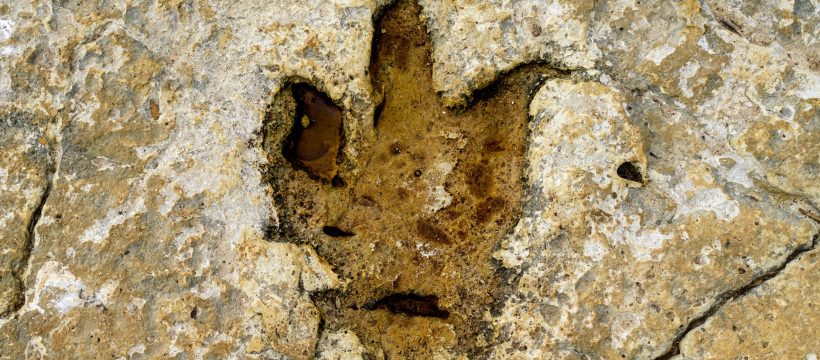
The dinosaur poop discovery has shed light on how birds beat extinction. A feather found in ancient feces could provide crucial insights into avian survival during catastrophic events.
What the dinosaur poop discovery reveals
The recent dinosaur poop discovery has shed light on the relationship between ancient birds and their dinosaur ancestors. This remarkable find, which includes a feather encased in fossilized droppings, provides critical evidence linking the survival of birds to their evolutionary adaptations.
Researchers have noted several key revelations from the analysis of this fossilized material:
- Feather Adaptation: The presence of a feather suggests that early birds developed unique features that helped them thrive in changing environments.
- Dietary Insights: The contents of the poop reveal what these ancient birds were feeding on, offering clues about their ecological roles.
- Survival Mechanisms: Understanding how these birds survived the mass extinction event can provide insights into resilience and adaptability in evolving species.
Overall, this dinosaur poop discovery not only highlights the evolutionary link between dinosaurs and modern birds but also emphasizes the significance of feathers as a crucial factor in their survival during tumultuous times.
The significance of the feather
The recent dinosaur poop discovery has opened new avenues for understanding the evolutionary link between dinosaurs and modern birds. A significant finding within this ancient fossilized excrement is a remarkably preserved feather, which offers crucial insights into the survival mechanisms of early birds.
The feather’s presence indicates that:
- Feathers played a vital role in the adaptation and survival of avian species during catastrophic events.
- This discovery provides evidence that some birds may have been able to regulate their body temperature effectively, enhancing their chances of survival.
- The feather also suggests a connection to nesting behaviors and insulation, which could have been advantageous during periods of environmental upheaval.
By analyzing such findings, researchers aim to piece together the ecological dynamics of the era, shedding light on how certain traits helped birds evade extinction while their dinosaur relatives perished. The dinosaur poop discovery thus not only highlights the importance of feathers but also underscores the resilience of avian species in the face of adversity.
How birds survived extinction
The recent discovery of dinosaur poop has provided fascinating insights into how birds survived the catastrophic events that led to the extinction of many species. Researchers have found that the fossilized feces contained remnants of feathers, which suggests that some birds may have adapted traits that allowed them to thrive amid the chaos. This adaptation could have been crucial for their survival.
Birds are believed to have descended from theropod dinosaurs, and this connection highlights the evolutionary path taken by these creatures. The presence of feathers in the dinosaur poop discovery points to the importance of feathers not only for insulation but also for other survival strategies, such as camouflage and display.
Furthermore, understanding how these feathers were preserved in the fossil record helps scientists piece together the environmental conditions of the time. The findings emphasize the role of small, adaptable species in ecosystems, particularly during periods of drastic change.
In conclusion, the dinosaur poop discovery sheds light on the resilience of early birds and their ability to overcome extinction events, setting the stage for their survival in a transformed world.
Implications for future research
The recent dinosaur poop discovery has profound implications for future research in paleontology and evolutionary biology. By examining the contents of fossilized dung, scientists can gain insights into the diets and habitats of ancient creatures, as well as the interrelationships among species during the Mesozoic era.
One key area of focus will be the role that plant and animal interactions played in the survival of birds in the face of mass extinction events. Researchers may investigate how the dietary patterns inferred from the fossilized feces can inform our understanding of ecological resilience.
Additionally, the discovery prompts the exploration of how specific traits, such as feathers, may have evolved in response to environmental pressures. This can lead to a deeper understanding of evolutionary adaptations and survival strategies.
Overall, the implications of the dinosaur poop discovery extend beyond mere curiosity; they open new avenues for research that could reshape our understanding of avian evolution and the factors that allowed birds to thrive while many other species perished.
Photo by Vladimir Srajber on Pexels
Sources
You might also like
Local Meat Inspection: Proven Benefits of USDA Initiative · Tyrannosaurus rex body temperature: Best Proven Insights · Digital ID Apps: The Wrong Rollout for English Pubs