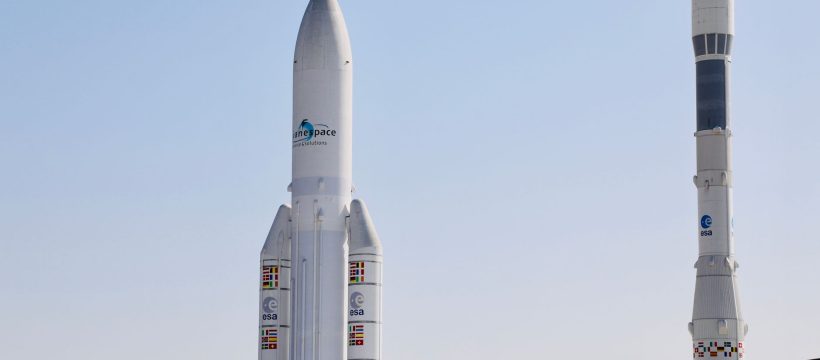
The German space rocket has successfully reached orbit, marking a historic achievement in Europe’s first commercial launch. This milestone showcases the growing capabilities of the European space sector.
Overview of the Launch
The recent launch of the German space rocket marks a significant milestone in Europe’s commercial space endeavors. This historic event has garnered attention not only for its technological achievements but also for its implications for the future of space exploration.
The mission successfully placed its payload into orbit, showcasing the capabilities of the German space rocket in a highly competitive landscape. The launch took place from a state-of-the-art facility designed to support a variety of missions, further enhancing Europe’s position in the global space race.
Key features of the launch included:
- Innovative Technology: The rocket incorporates cutting-edge technology that enhances its reliability and efficiency.
- Payload Capacity: Capable of carrying a diverse range of payloads, the German space rocket is poised to meet the demands of commercial clients and governmental operations.
- Environmental Considerations: Efforts have been made to minimize the environmental impact of launches, aligning with growing concerns about sustainability in space exploration.
This launch is not just a technological achievement but also a testament to the collaboration among various aerospace organizations and governmental bodies in Germany and across Europe. As the continent strives to establish itself as a leader in the commercial space sector, the success of the German space rocket represents a promising start for future missions and endeavors in the field.
Significance of the Achievement
The successful launch of the German space rocket marks a significant milestone in the realm of space exploration and commercial operations in Europe. This achievement not only emphasizes Germany’s growing capabilities in aerospace technology but also establishes a competitive edge in the global space market.
Firstly, this launch represents a pivotal moment for the European space industry, showcasing the ability to conduct commercial missions that can compete with established players in the field. The German space rocket’s successful insertion into orbit demonstrates the reliability and effectiveness of homegrown technology.
Furthermore, this event is a testament to the collaborative efforts among various stakeholders, including governmental agencies, private companies, and research institutions. By pooling resources and expertise, Germany has created a robust framework that supports innovation and enhances the country’s position in the international space community.
Another significant aspect of this achievement is its potential to inspire future generations of engineers and scientists. It highlights the possibilities within the aerospace sector, encouraging young talents to pursue careers in science, technology, engineering, and mathematics (STEM). As interest in space exploration grows, so does the necessity for a skilled workforce capable of driving further advancements.
In conclusion, the successful deployment of the German space rocket not only cements a notable achievement in European space history but also sets the stage for future endeavors that could redefine the landscape of space exploration.
Challenges Faced During Launch
The journey of the German space rocket was not without its challenges, which tested the resilience and ingenuity of the team behind the launch. From technical malfunctions to weather-related delays, the path to a successful lift-off was fraught with hurdles.
One of the primary challenges encountered was the rocket’s propulsion system. During the final pre-launch checks, engineers identified a minor issue that required immediate attention. The team worked tirelessly, conducting numerous tests to ensure that the propulsion system would perform optimally during the ascent.
In addition to technical difficulties, the weather also posed a significant challenge. Unfavorable conditions, including high winds and low visibility, threatened to delay the launch schedule. The team had to closely monitor meteorological forecasts and make real-time decisions to ensure a safe launch window.
Despite these obstacles, the perseverance of the engineers and support staff proved crucial. The team employed rigorous contingency plans, which allowed them to adapt quickly to any unforeseen complications. This proactive approach not only helped mitigate risks during the launch but also underscored the importance of thorough preparation in the world of aerospace.
Ultimately, the successful launch of the German space rocket highlighted the ability to overcome challenges, establishing a new standard for future commercial launches in Europe.
Future of European Space Missions
The future of European space missions looks promising, especially with the recent success of the German space rocket. This milestone sets a strong foundation for upcoming projects and potential collaborations across the continent.
As Europe aims to establish a more robust presence in space exploration, several key areas are being prioritized:
- Increased Collaboration: European nations are encouraged to work together, pooling resources and expertise to enhance the efficiency of missions.
- Innovation in Technology: Developing advanced technologies will be crucial. The German space rocket has already showcased the potential of cutting-edge engineering in achieving reliable launches.
- Commercial Opportunities: The success of the German space rocket opens the door for private companies to engage in satellite deployment and research missions, fostering a vibrant commercial space sector in Europe.
- Sustainability Efforts: Future missions will incorporate eco-friendly practices, addressing environmental concerns related to rocket launches and space debris.
As the European Space Agency and national space agencies work together, the framework for future missions will be bolstered by the lessons learned from the German space rocket’s launch. The integration of innovative technologies and the commitment to sustainability could place Europe at the forefront of global space exploration.
Key Players in the Launch
The successful launch of the German space rocket has been a remarkable achievement, showcasing the collaboration of various key players in the aerospace sector. Each entity involved played a crucial role in ensuring the mission’s success.
- SpaceTech GmbH: As the primary contractor, SpaceTech GmbH was responsible for the design and manufacturing of the rocket’s propulsion system. Their innovative approach helped enhance the rocket’s reliability and efficiency.
- AeroDynamics Research Institute: This organization contributed valuable research and development efforts, particularly in aerodynamics and materials science, which were essential for optimizing the rocket’s performance.
- European Space Agency (ESA): The ESA provided regulatory support and oversight, ensuring that the mission adhered to all safety standards and international guidelines. Their involvement was pivotal in securing launch permissions.
- Local Government Collaborations: Partnerships with local authorities facilitated the necessary infrastructure and resources, enhancing the launch site’s capabilities and ensuring smooth operations.
- Private Investors: Funding from various private investors was critical to the project, enabling the development and testing phases to proceed without financial constraints.
These collaborations have not only propelled the German space rocket towards success but have also set a precedent for future European space missions, fostering innovation and cooperation in the aerospace industry.
Impact on Global Space Industry
The successful launch of the German space rocket has marked a pivotal moment in the global space industry, showcasing Europe’s growing capabilities in commercial space exploration. This achievement not only highlights technological advancements but also sets the stage for increased competition among established space-faring nations.
With the successful deployment of satellites into orbit, the German space rocket demonstrates that Europe can compete with countries like the United States and Russia. The impact of this launch is multifaceted:
- Economic Opportunities: The commercial success of this launch opens doors for new partnerships and investments in the European space sector.
- Innovation in Technology: The development process for the German space rocket has led to significant advancements in aerospace technology, fostering innovation across the continent.
- Strategic Independence: By achieving this milestone, Europe is taking steps toward greater autonomy in space exploration, reducing reliance on external providers.
- International Collaboration: The launch encourages collaborative efforts among European nations, enhancing shared resources and expertise in space missions.
As the global space industry continues to evolve, the successful launch of the German space rocket serves as a reminder of Europe’s potential impact and the importance of investing in future missions. The momentum generated by this achievement could lead to a new era of exploration and development in space.
Photo by Léa Claisse on Pexels
Read the original
Related reading
Samsung Galaxy updates: What Are the Best Features This Week? · Onimusha Way of the Sword: Is It the Best Game Ever? · Air Ambulance North Staffordshire: Quick Response Proven