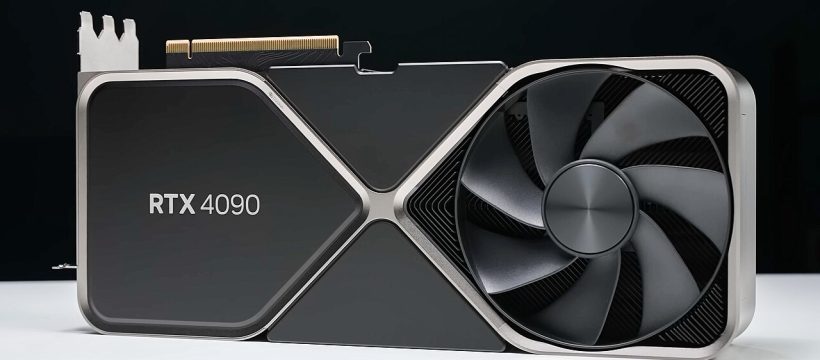
Nvidia RTX 6060 release may not happen until 2029, reshaping expectations for gamers. This delay is primarily due to a significant memory crunch affecting the launch cycle.
What Caused the Delay of Nvidia RTX 6060?
The anticipated release of the Nvidia RTX 6060 has been met with unexpected delays, prompting discussions about the factors influencing this setback. Several elements have contributed to the postponement of this eagerly awaited graphics card.
- Global Chip Shortage: The ongoing semiconductor shortage has significantly impacted production timelines. Manufacturers are struggling to secure the necessary components to meet demand.
- Memory Constraints: A critical shortage of high-performance memory has led to Reevaluations in the design and manufacturing processes, further extending the timeline for the Nvidia RTX 6060.
- Market Conditions: Fluctuating demand in the gaming and tech sectors has caused Nvidia to reassess its strategy. The company is focusing on ensuring that the RTX 6060 meets consumer expectations upon release.
- Supply Chain Disruptions: Ongoing logistical challenges, exacerbated by global events, have made it difficult for Nvidia to maintain consistent production schedules.
As a result, industry insiders speculate that the Nvidia RTX 6060 may not hit the shelves until as late as 2029, leading to concerns about whether this delay is one of the worst in tech history.
Impact of Memory Crunch on Tech Launches
The ongoing memory crunch has sent shockwaves through the tech industry, significantly impacting the anticipated launch schedules of several high-profile products. One of the most talked-about casualties of this crisis is the Nvidia RTX 6060 release, which faces unprecedented delays that could stretch into 2029. This situation raises pressing questions about the future of tech launches and the overall market landscape.
As manufacturers grapple with supply chain disruptions and soaring memory prices, the implications are felt far beyond just one product. The delay of the RTX 6060 is emblematic of a broader trend affecting numerous forthcoming devices. Key factors contributing to this delay include:
- Increased Production Costs: Rising costs of materials have forced companies to reevaluate their pricing and production strategies.
- Supply Chain Instability: A lack of reliable components has resulted in unpredictable launch timelines for many tech products.
- Market Demand Fluctuations: As consumers await new releases, demand for current models has surged, complicating inventory management.
Ultimately, the memory crunch not only haunts the Nvidia RTX 6060 release but also reshapes the entire tech launch cycle, prompting companies to rethink their strategies for future innovations.
Nvidia’s Strategy for Future Releases
Nvidia’s strategy for future releases appears to be heavily influenced by the ongoing memory crunch that has plagued the tech industry. With the anticipated Nvidia RTX 6060 release potentially pushed back to 2029, the company is reassessing how it approaches product launches.
According to industry experts, Nvidia is implementing several key strategies to navigate this challenging landscape:
- Streamlined Production: Nvidia is focusing on optimizing its supply chain to ensure that future products are manufactured more efficiently, minimizing delays.
- Partnerships with Suppliers: Strengthening relationships with memory and semiconductor suppliers is critical. Nvidia is reportedly negotiating long-term contracts to secure essential components.
- Flexible Launch Timelines: The company is adopting a more adaptable approach to product launch dates, allowing for adjustments based on market conditions and component availability.
- Innovative Tech Solutions: Nvidia is exploring alternative memory technologies that could alleviate some of the supply constraints, potentially expediting the release of future graphics cards.
By implementing these strategies, Nvidia aims to mitigate the impact of the ongoing memory crisis and ensure that products like the Nvidia RTX 6060 can make a timely entrance into an increasingly competitive market.
How Gamers Are Reacting to the News
The news of the Nvidia RTX 6060 release being pushed back has sent shockwaves through the gaming community. Many gamers have taken to social media to express their frustration and disappointment over the delay. A sense of urgency surrounds the need for cutting-edge technology, and the prolonged wait has left some feeling abandoned by Nvidia.
Online forums are buzzing with a mix of disbelief and anger, as players feel that the delay could significantly impact competitive gaming. Several prominent gamers have voiced their concerns:
- JohnDoe123: “This is the worst delay in tech history! We need the RTX 6060 to stay competitive!”
- GamerGal: “I can’t believe we have to wait until 2029. What happened to innovation?”
- TechSavvy: “The memory crunch is real, but Nvidia needs to find a better way to manage releases.”
Additionally, some fans are suggesting alternatives and are turning to older models or rival brands in the meantime. The situation has sparked a debate about the future of graphic cards and whether Nvidia’s strategy will ultimately pay off or lead to a loss of loyal customers.
Comparing Nvidia RTX 6060 with Competitors
As the Nvidia RTX 6060 release continues to face unprecedented delays, gamers and industry analysts are eager to compare this upcoming card with its competitors. The graphics card market is witnessing fierce competition, particularly from leading brands like AMD and Intel, who are also ramping up their offerings.
Key competitors to the Nvidia RTX 6060 include:
- AMD Radeon RX 7800 XT: Known for its excellent performance in 1440p gaming, it offers great value for gamers on a budget.
- Intel Arc A770: While still establishing its reputation, Intel’s Arc series promises impressive performance with innovative features.
- Nvidia RTX 4060 Ti: Though older, it remains a popular choice for those looking for solid performance without waiting for the 6060.
With the Nvidia RTX 6060 release potentially pushed back to 2029, the current landscape favors competitors that are actively launching products to meet consumer demand. This delay raises questions about Nvidia’s strategy and its ability to maintain market leadership as rivals seize the opportunity to capture market share.
What to Expect from Nvidia in the Coming Years
As the tech industry grapples with the implications of the Nvidia RTX 6060 release delay, eyes are turning towards Nvidia’s strategic direction for the coming years. Analysts predict that the company may focus on enhancing its existing lineup and optimizing production processes to mitigate future delays.
In light of the memory crunch and shifting market dynamics, Nvidia is expected to:
- Invest in Research and Development: Nvidia may allocate more resources to innovate and improve chip design, aiming to stay ahead in the competitive landscape.
- Enhance Supply Chain Efficiency: Addressing current bottlenecks could help Nvidia streamline production timelines and avoid similar situations as seen with the RTX 6060.
- Expand Product Offerings: With the gaming and AI sectors booming, Nvidia might diversify its portfolio, introducing new products that cater to both gamers and professionals alike.
- Focus on Software Optimization: Improving existing drivers and software can enhance performance without the need for immediate hardware upgrades.
Ultimately, the Nvidia RTX 6060 release could serve as a learning experience, prompting the company to adopt more proactive measures in future launches. Gamers and tech enthusiasts will be watching closely to see how these strategies unfold.
The Nvidia RTX 6060 release has left fans and industry experts questioning the company’s ability to meet consumer demand. Many are speculating whether this delay will impact the overall perception of the Nvidia RTX 6060 release in the competitive graphics card market.
via Wikimedia Commons